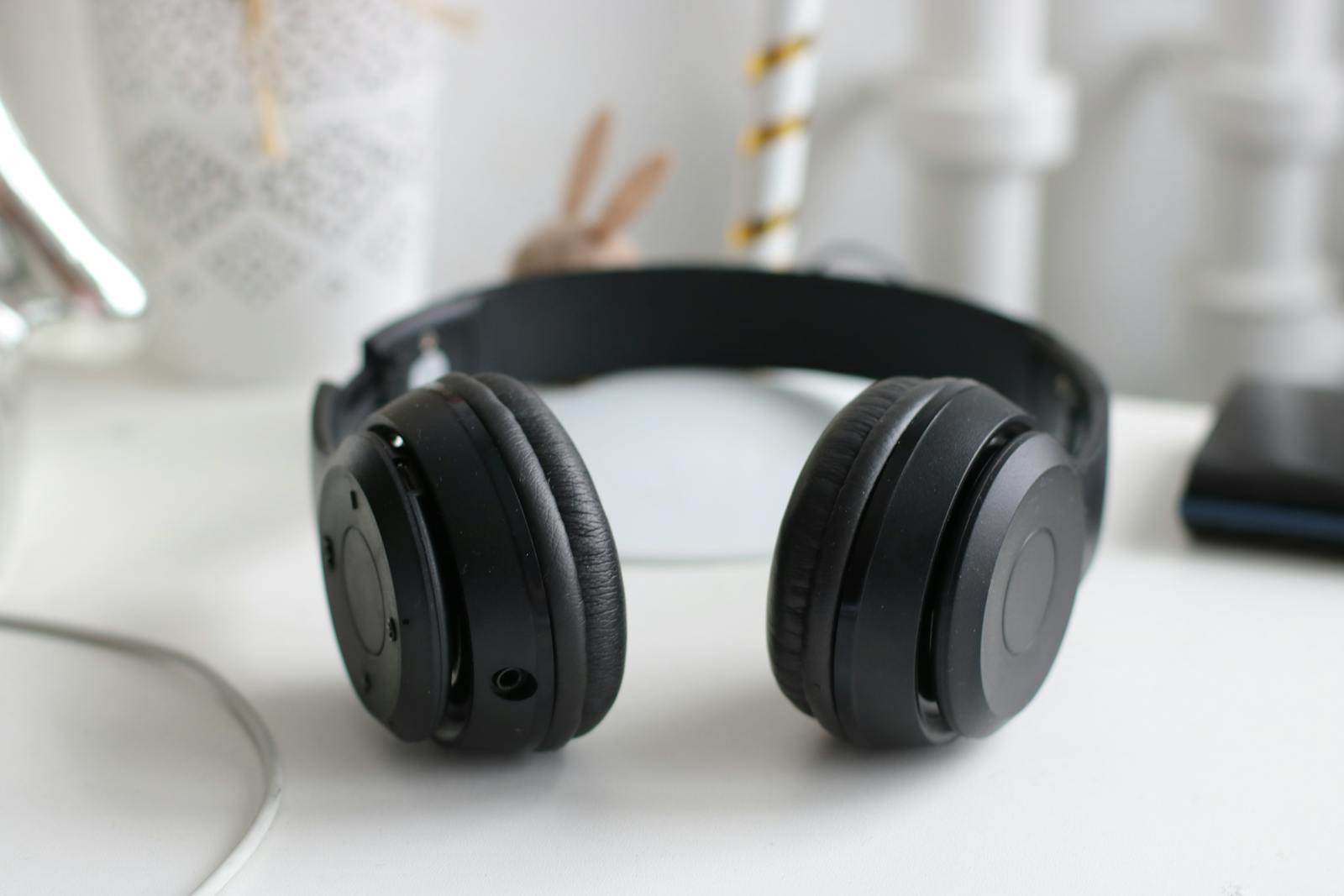

In the battle for audio supremacy, wireless earbuds have captured headlines and market share with their sleek portability and convenience. Yet despite the earbud revolution, over-ear headphones continue to thrive, commanding premium prices and devoted followings. The question isn’t which technology is superior overall, but rather who truly benefits from choosing over-ear headphones over their smaller, wireless counterparts.
The Audio Professional’s Choice
For audio engineers, music producers, and sound designers, over-ear headphones remain the gold standard. The larger drivers in over-ear models can reproduce a wider frequency range with greater accuracy, making them essential for critical listening tasks. When mixing a track or mastering an album, professionals need to hear every subtle detail, from the deepest bass notes to the highest frequencies.
Studio monitors aside, over-ear headphones provide the controlled acoustic environment necessary for professional work. Their closed-back designs offer superior isolation from external noise, while open-back models deliver the spacious soundstage required for mixing and mastering decisions that will be heard by millions.
Musicians and Serious Audiophiles
Musicians who spend hours practicing or performing with headphones benefit significantly from the comfort and audio quality that over-ear models provide. The larger ear cups distribute weight more evenly, reducing pressure points that can become painful during extended sessions. For guitarists learning complex solos or pianists working through intricate pieces, the superior comfort translates to longer, more productive practice sessions.
Audiophiles who have invested in high-quality audio equipment find that over-ear headphones can fully utilize their expensive DACs and amplifiers. The higher impedance ratings common in premium over-ear models require more power to drive effectively, but reward listeners with dynamic range and detail that wireless earbuds simply cannot match due to their power constraints and size limitations.
Gamers and Content Creators
The gaming community has long recognized the advantages of over-ear headphones. Competitive gamers rely on precise audio positioning to locate enemies in first-person shooters or detect subtle environmental cues in strategy games. The larger soundstage of over-ear headphones provides better spatial audio reproduction, giving gamers a competitive edge.
Content creators, including podcasters and streamers, benefit from the superior microphone quality often integrated into gaming headsets. The boom microphones on over-ear gaming headsets can be positioned closer to the mouth for clearer voice capture, while staying far enough from the audio drivers to minimize interference.
Home Office Workers and Remote Professionals
As remote work has become more prevalent, many professionals have discovered that over-ear headphones offer significant advantages over earbuds for all-day wear. The superior comfort during long video conferences, combined with better noise cancellation for blocking out household distractions, makes them ideal for the home office environment.
The larger batteries in over-ear wireless models also provide all-day usage without the anxiety of earbuds dying mid-meeting. While wireless earbuds require regular charging cycles and can be easily misplaced, over-ear headphones offer the reliability that busy professionals need.
People with Specific Physical Needs
Individuals who experience discomfort with in-ear devices find over-ear headphones to be a more suitable option. Some people have ear canals that don’t accommodate earbuds well, leading to constant adjustments and eventual discomfort. Others may have hearing aids or other medical devices that make earbuds impractical.
Those who wear glasses often find that well-designed over-ear headphones can accommodate their frames more comfortably than earbuds, which can create pressure points when combined with glasses arms.
Commuters and Frequent Travelers
While it might seem counterintuitive given their size, many commuters and travelers prefer over-ear headphones for long journeys. The superior noise cancellation available in premium over-ear models can make flights and train rides significantly more pleasant. The ability to completely block out engine noise, crying babies, and chattering passengers creates a peaceful bubble that earbuds struggle to match.
The longer battery life also means fewer charging concerns during extended travel days. A single charge on premium over-ear headphones can last 20-30 hours with noise cancellation active, compared to the 4-6 hours typical of wireless earbuds.
The Comfort Seekers
Some users simply find over-ear headphones more comfortable for extended listening sessions. The weight distribution across the head rather than pressure within the ear canal can be preferable for hours-long listening sessions. This makes them ideal for people who enjoy long podcast binges, audiobook marathons, or extended music listening sessions.
When Over-Ear Makes Sense
The decision between over-ear headphones and wireless earbuds often comes down to use case and personal priorities. Over-ear headphones excel when audio quality, comfort during extended use, and battery life take precedence over portability and convenience.
They’re particularly valuable for stationary listening experiences where portability isn’t a concern but audio quality is paramount. Whether you’re a professional who depends on accurate audio reproduction, a gamer seeking competitive advantage, or simply someone who values comfort during long listening sessions, over-ear headphones offer distinct advantages that wireless earbuds cannot match.
The Verdict
While wireless earbuds have revolutionized portable audio and suit many users perfectly, over-ear headphones continue to serve specific needs that smaller devices cannot address. Understanding your primary use case, comfort preferences, and audio quality requirements will guide you toward the right choice for your lifestyle and needs.