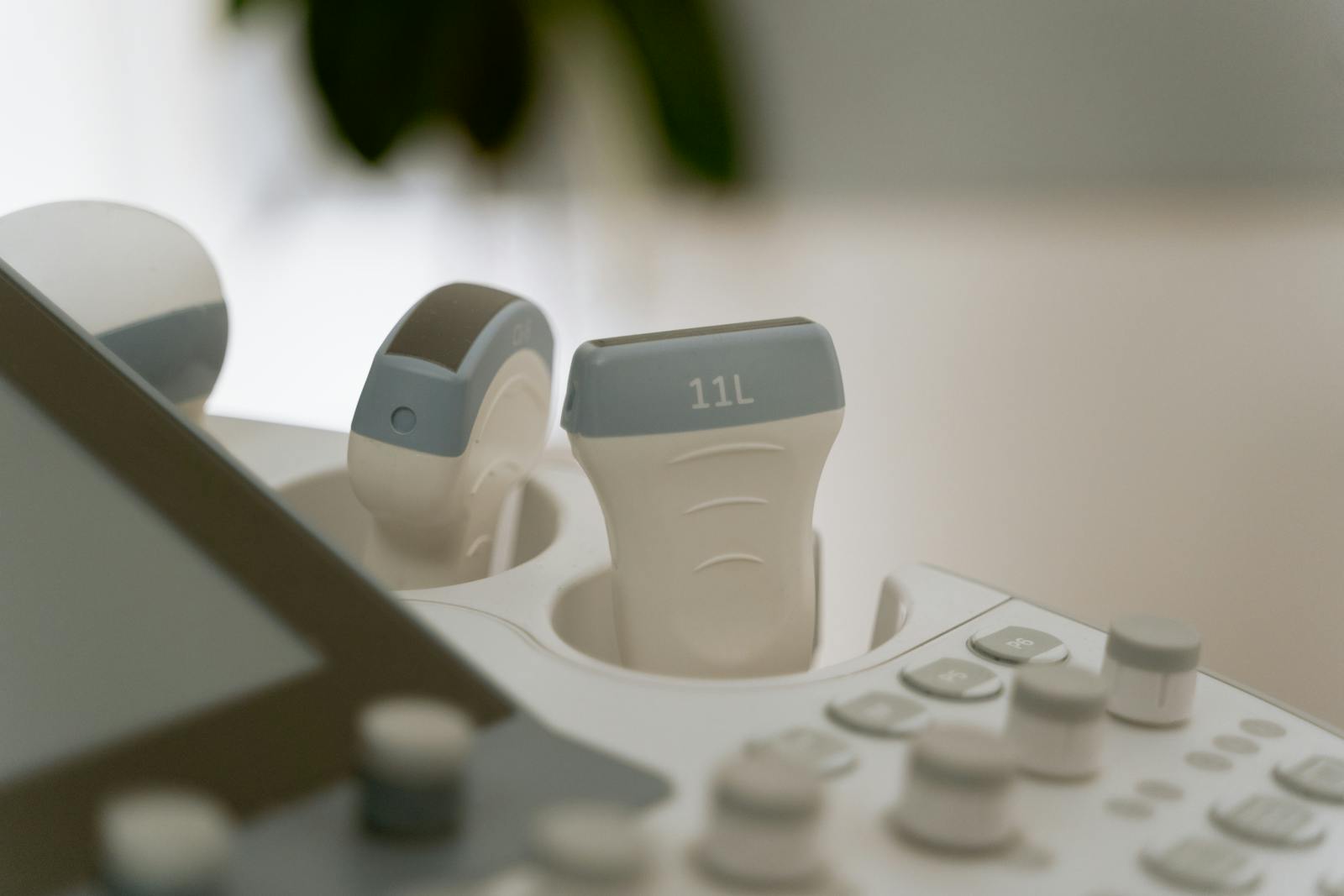

A career as a diagnostic medical sonographer, or ultrasound technologist, offers a unique blend of patient care and advanced technology. It’s a field known for strong demand and rewarding work. But for those looking to elevate their career and maximize their earning potential, specialization is the definitive path forward.
While general sonographers are essential, specializing in a complex, high-demand area of medicine can significantly increase your salary and open doors to advanced career opportunities. This guide delves into the most lucrative specialties in the world of ultrasound, providing insight into where your skills can be most valued.
Why Specialization Translates to Higher Earnings
The core principle is simple: advanced skills command premium compensation. Procedures that require a deeper level of anatomical knowledge, technical precision, and critical thinking are reimbursed at higher rates, and facilities need expert technologists to perform them. By becoming an expert in a specific niche, you transform into a more valuable asset to any medical team.
Top-Tier Specialties for Ultrasound Technologists
Salaries can fluctuate based on your location, experience, and the type of facility you work in, but several specialties consistently lead the pack in terms of pay.
1. Cardiac Sonography (Echocardiography)
Average Salary Range: Cardiac sonographers are frequently among the highest earners in the sonography field, with experienced professionals earning well above the national average.
Echocardiographers use ultrasound technology to create detailed images of the heart’s chambers, valves, and blood vessels. These images, or echocardiograms, are crucial for diagnosing and managing a wide range of cardiovascular conditions. Given the critical nature of heart health, the demand for highly skilled cardiac sonographers is perpetually strong.
- A Day in the Life: Your day would involve performing complex scans like stress echocardiograms and transesophageal echocardiograms (TEEs). You would work closely with cardiologists, providing them with precise imaging that directly influences patient treatment plans for conditions like heart disease and valve disorders.
- How to Specialize: This path typically requires completing a dedicated cardiac sonography educational program or obtaining extensive on-the-job training. Earning the Registered Diagnostic Cardiac Sonographer (RDCS) credential from the American Registry for Diagnostic Medical Sonography (ARDMS) is the industry standard.
2. Vascular Sonography
Average Salary Range: Vascular technologists also command high salaries due to the detailed and critical nature of their work in circulatory health.
Vascular sonographers specialize in imaging the body’s intricate network of blood vessels. They play a pivotal role in diagnosing conditions such as blood clots (deep vein thrombosis), blockages in arteries (stenosis), and aneurysms. Their expertise helps prevent serious medical events by providing a non-invasive window into the circulatory system.
- A Day in the Life: You would use Doppler ultrasound techniques to assess blood flow, pressure, and vessel condition throughout the body, from the carotid arteries in the neck to the veins in the legs. Precision and a deep understanding of hemodynamics are essential.
- How to Specialize: Many sonographers enter this specialty through a dedicated vascular sonography program or by cross-training from a general sonography background. Achieving the Registered Vascular Technologist (RVT) credential is key to demonstrating expertise and maximizing your earning potential.
3. Pediatric Cardiac Sonography
Average Salary Range: This highly specialized niche is one of the most financially rewarding fields in sonography due to the extreme level of skill required.
Combining the complexities of cardiac sonography with the unique challenges of working with infants and children makes this a particularly advanced specialty. Pediatric cardiac sonographers scan the hearts of patients from fetuses in utero to young adults, identifying congenital heart defects and other conditions.
- A Day in the Life: This role requires immense patience, technical skill, and the ability to work with anxious young patients and their families. The anatomical variations and small scale of pediatric hearts demand the highest level of precision and knowledge.
- How to Specialize: This is a highly advanced field. It requires a solid foundation in adult echocardiography, followed by extensive, specialized training in a pediatric hospital setting. The ARDMS offers a specific Pediatric Echocardiography (PE) specialty exam to achieve the RDCS credential in this area.
Charting Your Path to a Higher Salary
Choosing to specialize is the most significant step you can take to increase your income as an ultrasound technologist. By pursuing advanced certifications in high-demand fields like cardiac and vascular sonography, you not only enhance your skills but also secure your place at the top of a rewarding and dynamic profession.