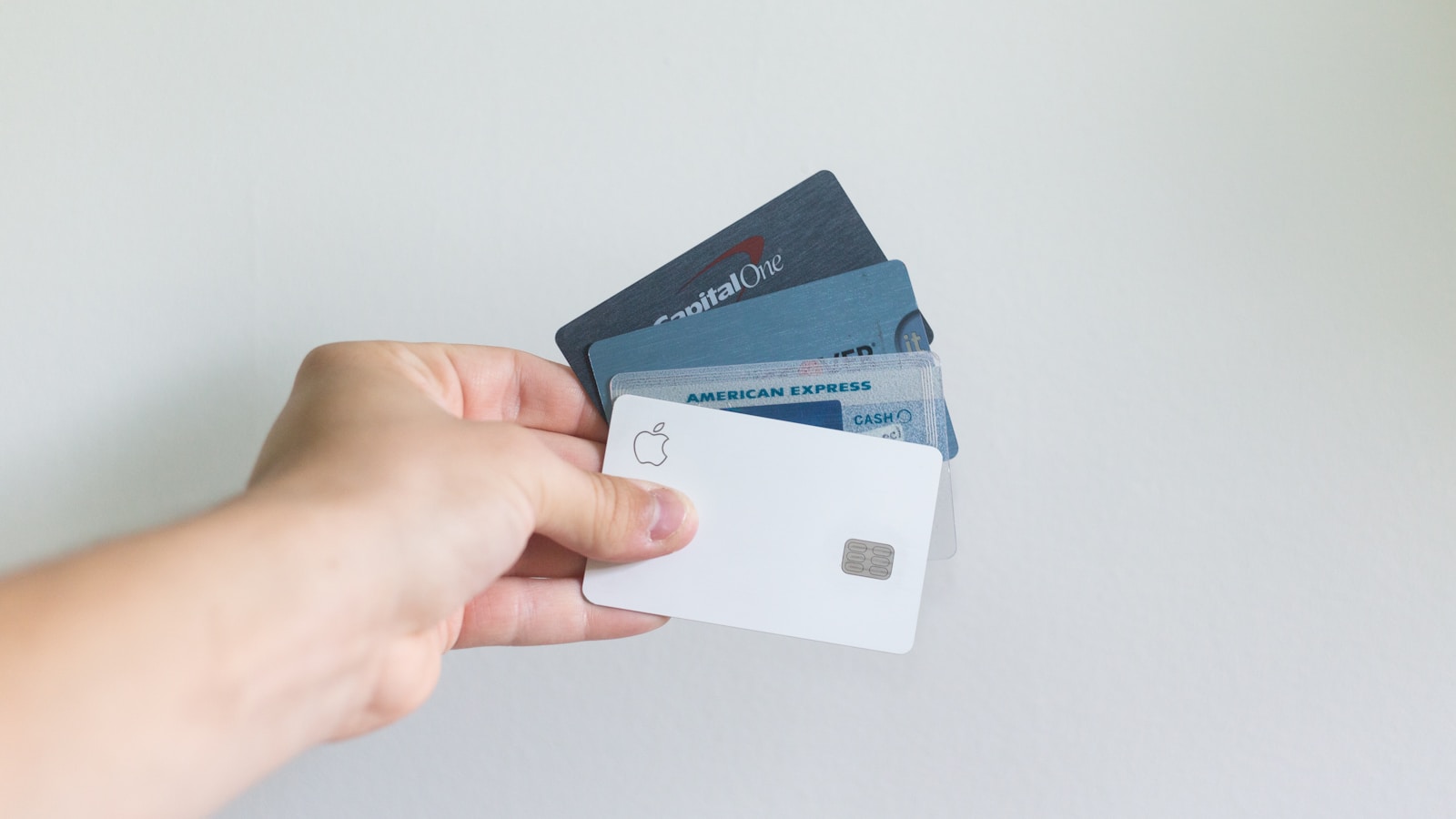

Imagine your financial toolkit as a garage filled with different tools. Your credit card is like a Swiss Army knife—compact, versatile, always in your pocket, ready for whatever small task pops up. Your personal loan, however, is more like a power drill—designed for one specific job, more powerful when you need it, but not something you’d carry around casually.
This isn’t just a cute metaphor. Understanding the fundamental DNA differences between credit cards and personal loans can save you thousands of dollars and years of financial stress.
The Psychology of Plastic vs. the Commitment of Cash
Credit cards are seductive by design. They whisper, “Buy now, figure it out later.” The minimum payment structure creates an illusion of affordability that can turn a $1,000 purchase into a five-year financial relationship costing twice the original amount.
Personal loans, by contrast, are like signing a contract with your future self. You’re committing to a specific amount, for a specific purpose, with a specific end date. There’s something psychologically powerful about knowing that in exactly 36 months, this debt will be gone forever—assuming you stick to the plan.
When Your Credit Card Becomes a Loan Shark in Disguise
Here’s a sobering reality: if you’re carrying a balance on your credit card month to month, you’re already using it as an expensive personal loan—just one with terrible terms. The average credit card APR hovers around 21%, while personal loans typically range from 6% to 16% for qualified borrowers.
Let’s say you have $8,000 in credit card debt at 22% APR. Making minimum payments of $200 per month, you’ll pay over $4,000 in interest and take nearly five years to pay it off. The same $8,000 as a personal loan at 12% APR with a fixed three-year term would cost about $1,900 in interest—a savings of over $2,100.
The Revolving Door vs. the Finish Line
Credit cards operate on what financial experts call “revolving credit”—think of it as a financial hamster wheel. You pay some down, charge some up, pay some down, charge some up. This structure makes it remarkably easy to stay in debt indefinitely.
Personal loans are “installment credit”—you borrow once, then systematically destroy the debt payment by payment until it’s completely eliminated. There’s a psychological victory in watching that balance shrink to zero with no possibility of accidentally charging it back up.
The Flexibility Trap vs. The Discipline Reward
Credit cards offer ultimate flexibility, which sounds appealing until you realize that flexibility often translates to financial chaos. The ability to charge varying amounts each month, make minimum payments when cash is tight, and extend the payoff period indefinitely can turn manageable debt into a financial quicksand.
Personal loans force discipline through structure. Fixed monthly payments create predictability in your budget. You know exactly when you’ll be debt-free. This constraint, rather than limiting you, often provides the framework for better financial habits.
Strategic Debt Consolidation: The Great Escape Plan
One of the most powerful uses of personal loans is debt consolidation—essentially staging a prison break for your money trapped in high-interest credit card debt. By consolidating multiple credit card balances into a single personal loan, you can potentially:
- Lower your overall interest rate significantly
- Simplify your finances to one monthly payment
- Set a definitive payoff date
- Improve your credit utilization ratio
However, this strategy requires the discipline to avoid running up new credit card balances. Too many people consolidate their debt, then gradually refill their credit cards, ending up with both loan payments and new credit card debt.
The Credit Score Chess Match
Both credit cards and personal loans affect your credit score, but in different ways. Credit cards impact your utilization ratio—the percentage of available credit you’re using. Keeping this below 30% (ideally below 10%) helps your score.
Personal loans affect your credit mix and payment history. They show lenders you can handle different types of credit responsibly. However, applying for a personal loan creates a hard inquiry that temporarily dings your score, while opening new credit cards can lower your average account age.
When Credit Cards Actually Win
Despite their reputation as debt traps, credit cards aren’t inherently evil. They excel in specific scenarios:
Emergency flexibility: When you’re unsure how much you’ll need to spend or when you’ll be able to pay it back, credit cards provide unmatched flexibility.
Short-term purchases: If you can genuinely pay off the balance within a few months, credit cards often offer intro 0% APR periods that beat any personal loan.
Rewards optimization: For disciplined users who pay balances in full, credit card rewards can provide 1-5% cash back or valuable travel points.
Building credit history: For younger consumers, responsible credit card use builds credit history more effectively than installment loans.
The Personal Loan Sweet Spot
Personal loans shine when you need:
Large, one-time expenses: Home improvements, medical procedures, or major purchases benefit from the lower rates and structured payoff of personal loans.
Debt consolidation: Moving high-interest credit card debt to a lower-rate personal loan with a fixed payoff schedule.
Predictable budgeting: The fixed monthly payment makes budgeting and financial planning much easier.
Credit utilization improvement: Paying off credit cards with a personal loan can dramatically improve your credit utilization ratio.
The Behavioral Economics Factor
Perhaps the most overlooked aspect of this choice is human psychology. Credit cards enable what behavioral economists call “present bias”—our tendency to prioritize immediate gratification over future consequences. The ease of swiping or tapping creates psychological distance from the actual cost.
Personal loans, with their application process, documentation requirements, and fixed terms, introduce “friction” that forces you to pause and consider whether you really need the money and can afford the payments.
Making the Right Choice for Your Financial DNA
The choice between credit cards and personal loans isn’t really about the products themselves—it’s about understanding your own financial behavior and choosing the tool that aligns with your goals and weaknesses.
If you’re disciplined enough to use credit cards as a payment method rather than a lending product, they offer unmatched flexibility and rewards. If you’re human like the rest of us and sometimes struggle with impulse purchases or carrying balances, personal loans provide the structure and lower costs that can save your financial future.
The best financial strategy isn’t about finding the perfect product—it’s about finding the product that works best with your imperfect human nature.